REBT and CBT: Therapy for Insight and Change

Specialist support for working adults in India and worldwide

At Manahsparsh, we combine Cognitive Behavioural Therapy (CBT) and Rational Emotive Behaviour Therapy (REBT) to help you understand your mind—and change what keeps you stuck.

Book an Initial Session

W h a t   i s   R E - C B T ?

RE-CBT is our integrated approach combining CBT and REBT.

Both approaches recognise that what happens to us matters—but how we interpret, evaluate and respond to what happens also shapes how we feel and behave.

Cognitive Behaviour Therapy (CBT) helps you identify and change the thoughts and patterns that automatically arise in different situations, so you can develop more helpful ways of thinking and responding.

It's like pruning a plant: you work with the visible patterns, cutting back what isn't helping so healthier patterns can grow.

Rational Emotive Behaviour Therapy (REBT) goes deeper, focusing on the underlying beliefs and evaluations that influence those patterns. It works on developing healthy sense of self, acceptance of others and life, tolerance for discomfort, and more flexible ways of responding to difficult situations.

It's more like repotting a plant: you look beneath the surface, work with the roots that are affecting its growth, and create better conditions for healthier growth.

What is RE-CBT

Why choose RE-CBT at Manahsparsh?

Structured, Active & Collaborative

We help you slow down, identify and name your thoughts and emotions, look beneath the surface and understand what's really driving your patterns.

You actively think, explore and work things through with your therapist—not simply receive advice.

Focus on What You Can Change

We recognise that difficult circumstances are real. Together, we help you distinguish what is outside your control from what you can influence—then learn to accept, adapt and cope with what you can't change.

At the same time, we work actively on changing the situations, thoughts, feelings and behaviours you can.

Evidence-Based and Flexible

CBT and REBT are among the most well-researched psychological approaches with evidence for treating a range of mental-health difficulties.

We understand what is most relevant to you, your goals and your circumstances and use techniques that will suit you.

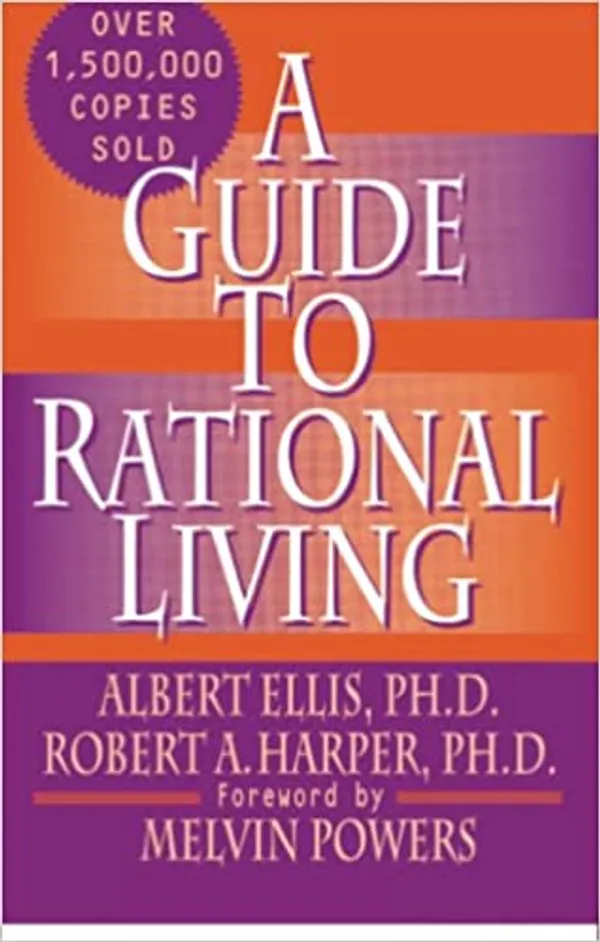
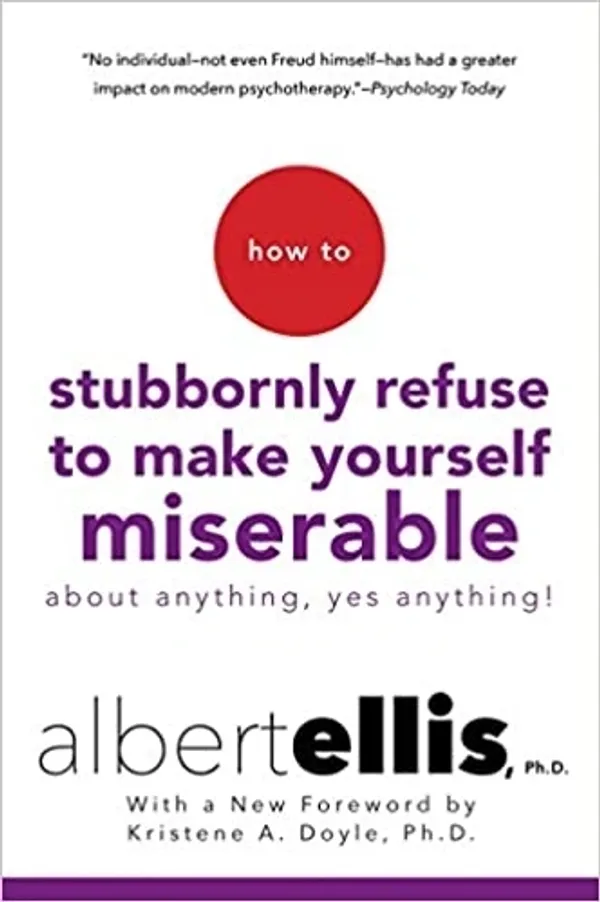
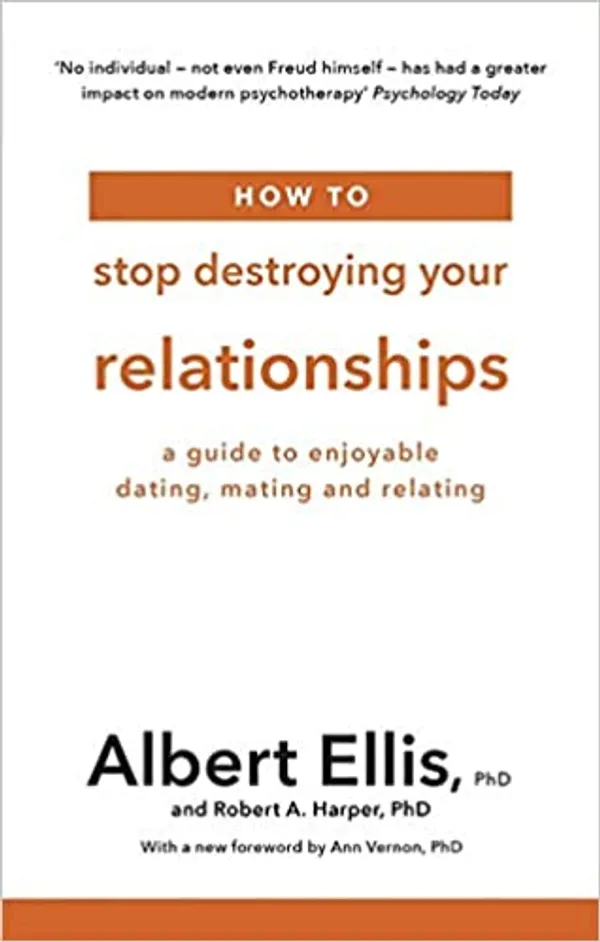
People & things don't upset us. Rather, we upset ourselves by believing that they can upset us!

- Albert Ellis, Founder of REBT

What Happens In Therapy?


STEP 1

Understand the Situation

We identify what is happening, what triggered you and how you responded.

STEP 2

Identify Your Thoughts & Beliefs

We explore the thoughts and deeper beliefs shaping how you interpret the situation.

STEP 3

Understand the Impact

We look at how these thoughts and beliefs affect your emotions and behaviours.

STEP 4

Question Unhelpful Beliefs

We examine the evidence, challenge rigid beliefs and develop more flexible perspectives.

STEP 5

Develop Effective Responses

We work on healthier beliefs, emotional responses and behaviours that help you handle situations better.

STEP 6

Practise & Apply

You practise these new ways of thinking and responding through exercises, experiments and real-life situations.

Consider RE-CBT if you Resonate With These Patterns


Need to Perform Well

You need perfection from yourself and believe your performance is a measure of your worth.

💭 “I must not fail, otherwise I am a failure.”

💭 “I should’ve been more careful. Why am I so stupid?”

💭 “I just cannot disappoint them. I'd be useless if I do.”

💭 “I have to do this well, otherwise I am worthless.”

Need for Justice & Fairness

You need others and life to be fair and kind, and believe you can't tolerate unfairness.

💭 “This shouldn't be happening. It's too much, I can't take it.”

💭 “She has to take me seriously. I can't tolerate this anymore.”

💭 “They shouldn't misjudge me. It's wrong, I can't bear it.”

💭 “People should be fair, otherwise I can't tolerate such unfairness.”

Need for Ease and Comfort

You need life to be easier and believe not getting what you need leads to catastrophes.

💭 “I need this to work out. It'll be horrible if it doesn't.”

💭 “I shouldn't have to do this. It's really bad to have to do it.”

💭 “Why is this happening? Nothing could be worse.”

💭 “No one understands me. I am alone. It's awful.”

Jumping to Conclusions

You make assumptions, predictions, and draw conclusions without enough evidence.

💭 “I made a mistake. I was clearly not prepared.”

💭 “She didn't say hi because she doesn't like me.”

💭 “He didn't like my last idea. I'm sure he won't agree. I know it!”

💭 “I have a strong feeling that something will go wrong.”

Selective Focus

You only focus on certain information while totally overlooking or discounting the rest.

💭 “I can't believe I made that one stupid mistake. I can't get over it!”

💭 “Nothing matters if this doesn't work out.”

💭 “They liked my work, but they were just being polite.”

💭 “He forgot my birthday. How does this gift even matter?”

Black and White Thinking

You have a habit of viewing things in extreme, absolute categories with no middle ground.

💭 “If it's not perfect, then it's not good at all.”

💭 “My friend canceled our plans. She's an awful person.”

💭 “If I can't do it well, I shouldn't do it at all.”

💭 “I ate a cake. There's no point following the diet any longer.”

What Can RE-CBT Help With?
Mission Driven

Understand and change patterns that maintain worry, avoidance, perfectionism and emotional distress. Learn skills to deal with uncertainty, discomfort and negative possibilities. 

Explore Anxiety Therapy
Structured and Personalized Therapy

Work through emotional difficulties like anxiety, depression, hurt, anger, shame and guilt and behavioural difficulties, as avoidance, procrastination, overreactions and addictions.

Explore Online Therapy
Experienced Mental Health Experts

Work through self-criticism, emotional difficulties, unhelpful beliefs and patterns that complicate living with ADHD. Learn skills to deal with rejection sensitivity and build frustration tolerance.

Manage ADHD

Who is RE-CBT Right For?

RE-CBT may be Right for you

  • ✓ Want to actively participate — willing to explore reasons, thoughts and behaviors.
  • ✓ Want to understand yourself — curious about why you think, feel and behave the way you do.
  • ✓ Want to take responsibility — willing to work on what you can influence, even when life is difficult.
  • ✓ Prefer structure and clarity — like having goals, a process and direction in therapy.
  • ✓ Want practical skills — want tools you can apply to real situations outside therapy.
  • ✓ Prefer focused therapy — want purposeful work toward meaningful, measurable change.

RE-CBT May Not be the Best Fit For You

  • × Want ready-made solutions — looking for someone to simply tell you what to do.
  • × Want to change other people — looking for therapy to make others or circumstances change.
  • × Don't want to examine yourself — prefer to focus only on what others are doing wrong.
  • × Prefer unstructured therapy — want sessions to wander without ready-made advice.
  • × Want therapy without active work — don't want to put in work between sessions.
  • × Need a different level of care — seeking crisis, emergency, inpatient or psychiatric support.
Google

4.9

Manahsparsh

97 Reviews

Frequently Asked Questions About REBT and CBT

What is the difference between CBT and REBT?

Both CBT and REBT recognise that how we interpret and respond to situations influences how we feel and behave.

Cognitive Behaviour Therapy (CBT) was developed by Dr. Aaron T. Beck in the 1960s. It focuses on identifying and changing unhelpful thoughts, emotional responses and behavioural patterns that contribute to psychological difficulties.

Rational Emotive Behaviour Therapy (REBT) was developed by Dr. Albert Ellis in the 1950s. It places greater emphasis on identifying and changing underlying beliefs and developing a more flexible philosophy for dealing with life's challenges.

CBT offers a flexible, tailored approach to understanding and changing your patterns, while REBT provides a structured framework for examining the beliefs that influence those patterns.

How are CBT and REBT combined in RE-CBT?

At Manahsparsh, RE-CBT integrates CBT and REBT to create a structured yet personalised approach to therapy.

We combine the step-by-step structure and focus on beliefs of REBT with the flexibility and practical application of CBT. This allows your therapist to work with both the patterns you experience and the underlying beliefs that may keep them going.

Your therapy is adapted to your needs, goals, circumstances and pace, while remaining structured, goal-oriented and focused on meaningful change.

Are CBT and REBT evidence-based?

Yes. CBT and REBT are well-researched psychological approaches.

CBT has been studied extensively for more than five decades, with 2,000+ outcome studies supporting its use across a wide range of difficulties. REBT has also been researched for nearly 70 years, including a major systematic review covering 50 years of research.

At Manahsparsh, our RE-CBT approach integrates these two approaches, combining their complementary strengths with clinical expertise and practical skill-building.

RE-CBT is talk therapy. Is it different from simply talking about my problems?

Yes. RE-CBT is structured, active and collaborative.

You and your therapist work together to identify patterns, examine thoughts and beliefs, understand emotional and behavioural responses, and develop more effective ways of responding.

Depending on your goals, therapy may include psychoeducation, therapeutic exercises, behavioural experiments and practical skills that you can apply in everyday life.

The goal is not just greater self-understanding, but using that understanding to create meaningful and sustainable change.

What happens between RE-CBT sessions?

Therapy doesn't stop when the session ends. Depending on what you're working on, you may be encouraged to:

  • Reflect on thoughts, beliefs and patterns
  • Practise new skills
  • Complete therapeutic exercises
  • Try behavioural experiments
  • Apply techniques to real-life situations

This helps you translate what you learn in therapy into practical change in everyday life.

How long does RE-CBT take?

There is no fixed number of RE-CBT sessions. Therapy length depends on your concerns, goals, circumstances and progress.

We generally recommend one 45–50 minute session per week, particularly when starting therapy. Many clients may work towards meaningful change over approximately 10–12 sessions, while others may benefit from longer-term support.

Your therapist will establish goals with you, track progress and review the course of therapy along the way.

Is RE-CBT suitable for everyone? Do I need a diagnosis to start?

No therapeutic approach is right for everyone. RE-CBT may be particularly suitable if you want structured, collaborative therapy and are willing to actively participate in the process.

You also don't need a formal diagnosis to start therapy. Your therapist will first understand what you're experiencing and determine whether RE-CBT is appropriate for your concerns and goals.

Is RE-CBT suitable for ADHD?

RE-CBT can be particularly useful for adults with ADHD when ADHD-related challenges are accompanied by unhelpful beliefs, self-criticism or difficult emotional patterns.

It's common for people with ADHD to develop internalised beliefs such as:

“I'm not good enough.”

“I should be able to do this just like everyone else.”

“Why can't I just get my act together?”

ADHD can also be associated with difficulties such as rejection sensitivity, emotional dysregulation, low frustration tolerance, perfectionism, imposter feelings and difficulties with self-regulation.

RE-CBT can help you understand where these patterns come from, question unhelpful beliefs, develop greater self-acceptance and frustration tolerance, and respond more effectively to ADHD-related challenges.

It can complement ADHD-focused therapy or coaching by addressing the emotional and cognitive patterns around ADHD, alongside practical strategies and skills for managing everyday life.

Is RE-CBT suitable for anxiety?

RE-CBT can be particularly useful for anxiety since worry, overthinking or fear are maintained by unhelpful beliefs and patterns of thinking and behaviour.

Anxiety can involve patterns such as catastrophising, overestimating threats, underestimating your ability to cope, intolerance of uncertainty, reassurance-seeking, avoidance, perfectionism and a strong need for control or certainty.

RE-CBT can help you understand these patterns, examine the beliefs behind them, build greater tolerance for uncertainty and discomfort, and develop more balanced and effective ways of responding to anxious situations.

It can also help you move beyond simply managing anxiety in the moment by working on the patterns and beliefs that can keep anxiety going, while developing practical skills you can use in everyday life.

How Can I Get Started With RE-CBT Therapy at Manahsparsh?

Starting therapy doesn't have to be complicated. You can contact us directly, ask us to contact you, or explore the website first.

1. Talk to Us Directly
Call or WhatsApp us with your questions. Our Wellbeing Coordinator or Trainee Psychologist will understand what you're looking for, answer your questions and help you identify the next step.

Call Us or WhatsApp Us

2. Ask Us to Contact You
Prefer that we reach out? Fill out our under-1-minute enquiry form. A Wellbeing Coordinator will contact you to understand what you're looking for, answer your questions and guide you through the process.

Request a Call

3. Explore First
Want to understand how we work before deciding? Explore our therapy services, RE-CBT approach and therapist profiles. When you're ready, click Get Started or Book an Appointment to take the next step.

Not Sure Where to Start?

That's okay. Just tell us.

WhatsApp us: “I don't know where to start. Please help me.”

We'll help you figure out what you're looking for, whether Manahsparsh is a good fit, and what to do next.